
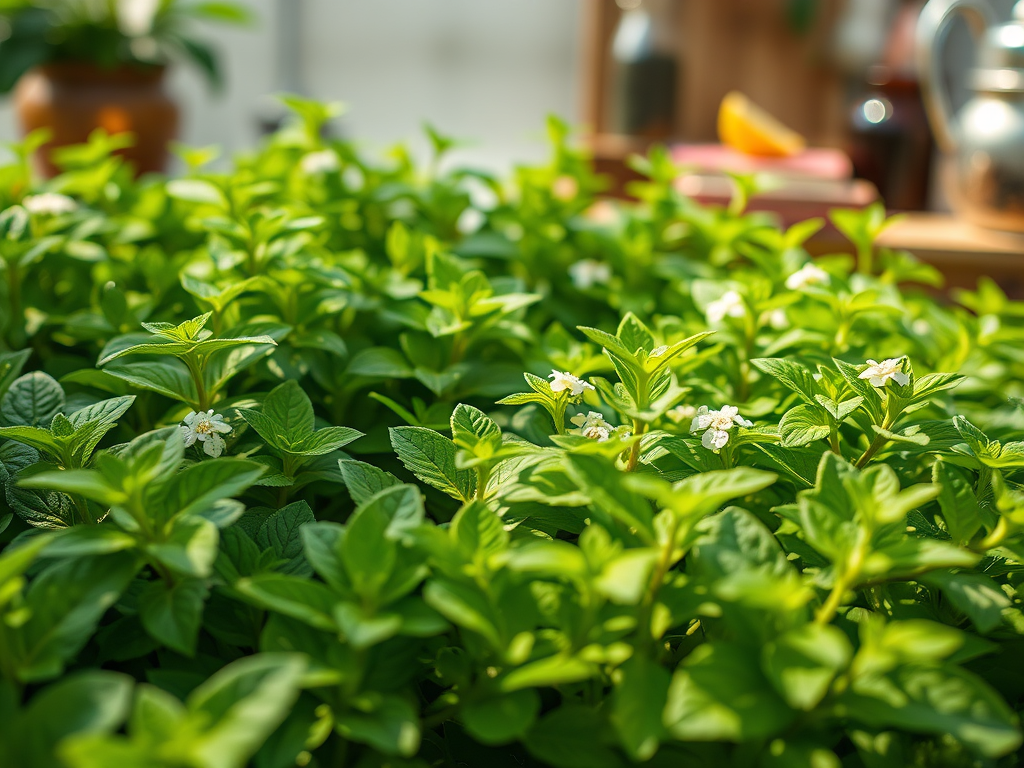
I stumbled upon lemon balm by accident. My neighbor gave me a small cutting from her garden, and within months, it took over a corner of my yard. “You can use it for tea,” she said casually, not mentioning how this humble plant might become part of my wellness journey.
When my sister lost 15 pounds last year, I noticed a jar of dried herbs on her counter. “Just lemon balm,” she shrugged when I asked. “Helps me manage stress-eating.” That got me curious. Could this plant growing wildly in my garden actually help with weight management?
After digging through research and trying various preparations myself, I’ve discovered there’s more to this fragrant mint relative than just a pleasant tea. Lemon balm (Melissa officinalis) has traditional roots as a calming herb, but it might also support weight management through several surprising pathways.
I’ve gathered what I’ve learned about lemon balm and weight loss, along with the recipes and methods that worked for me and others I’ve spoken with. Fair warning though – this isn’t about miracle cures. It’s about adding another natural tool to support healthier habits.
REVOLUTIONARY WEIGHT LOSS BREAKTHROUGH!🔥 Unlock your body’s natural fat-burning potential with a secret celebrities have been hiding! 💪

The Science Behind Lemon Balm and Metabolism
Before diving into preparation methods, it’s worth understanding how lemon balm might influence weight management physiologically. Research suggests several potential pathways through which this herb could support healthy weight:
Stress reduction is perhaps lemon balm’s most well-documented benefit. Chronic stress triggers cortisol release, which can increase appetite, particularly for calorie-dense comfort foods, and promote abdominal fat storage. Studies have shown that lemon balm contains compounds that bind to GABA receptors in the brain, potentially helping to reduce stress and anxiety.
I spoke with Sarah Wilson, a nutritionist who works with stress-related eating issues, at a health conference last spring. “People don’t realize how directly stress affects their waistline,” she told me while we shared lunch. “When you’re constantly stressed, your body thinks there’s danger, so it holds onto fat—especially around your middle. I’ve seen clients make significant progress just by addressing the stress component first.”
Additionally, some preliminary research indicates that lemon balm may influence how the body processes carbohydrates and fats. A 2016 laboratory study published in the Journal of Food Biochemistry suggested that certain compounds in lemon balm might inhibit lipase, an enzyme involved in fat absorption. However, it’s important to note that these findings haven’t been conclusively demonstrated in human clinical trials yet.
Improved digestion represents another potential benefit. Lemon balm has been traditionally used to ease digestive discomfort and reduce bloating. Better digestive function can contribute to more comfortable adherence to healthy eating patterns, indirectly supporting weight management goals.
Harvesting and Preparing Fresh Lemon Balm
If you’re fortunate enough to grow this perennial herb in your garden, knowing how to properly harvest and prepare it maximizes its potential benefits:
The ideal time to harvest lemon balm is in the morning after dew has dried but before the day gets too hot. This timing preserves the volatile oils that give the plant its therapeutic properties. For weight management purposes, focus on the leaves, which contain the highest concentration of beneficial compounds.
When harvesting, cut stems about 2 inches above the ground using clean scissors or pruning shears. This encourages bushier regrowth and extended harvests throughout the growing season. Most gardeners find they can harvest lemon balm multiple times between late spring and early fall.
For immediate use in tea or other preparations, gently rinse the leaves under cool water and pat dry. If you’re planning to dry and store lemon balm, bundle 5-8 stems together and hang them upside down in a warm, dry area with good air circulation. Once completely dry (typically 1-2 weeks), strip the leaves from stems and store in an airtight container away from light.
At a local gardening workshop, I met Maria, who’s been working with medicinal herbs for over 20 years. When I mentioned my interest in lemon balm, she grabbed my arm excitedly. “You’re growing it yourself? Perfect! The stuff in stores doesn’t compare,” she said, rubbing a leaf between her fingers and holding it up for me to smell. “See that intense fragrance? That’s where the magic happens. Most store-bought herbs lost their beneficial oils months ago.”

How to Make Lemon Balm for Weight Loss
Perhaps the simplest and most traditional way to incorporate lemon balm into your weight management routine is through a daily tea ritual:
My Go-To Lemon Balm Tea
I make this almost every morning now. It’s nothing fancy, but it works:
- Grab a handful of fresh lemon balm leaves (about 1-2 tablespoons) or a tablespoon of dried leaves if it’s winter
- Boil water and let it cool for about 30 seconds (boiling water can destroy some of the delicate compounds)
- Toss the leaves in a mug, pour water over them
- Cover with a small plate to trap the essential oils (I learned this trick from my grandmother)
- Let it sit for about 7 minutes
- Sometimes I add a slice of ginger when my stomach feels off
The first time I made this, I let it steep for 15 minutes and it was way too bitter. Seven minutes seems to be the sweet spot for my taste.
When I’m serious about weight management (like before beach season last year), I make this kicked-up version:
My “Metabolism Boost” Tea
I started experimenting with this blend after reading about synergistic herbs. This combination seems to work better than lemon balm alone for me:
- 1 tbsp lemon balm leaves
- 1 tsp green tea (I use the loose leaves from the Asian market)
- Pinch of cinnamon (the Ceylon kind, not the regular supermarket stuff)
- A knob of ginger about the size of my thumbnail, sliced thin
- 12 oz filtered water
- Sometimes a drizzle of raw honey if I’m craving something sweet
I heat the water until small bubbles form, then toss everything in and let it steep covered for about 8 minutes. The first time I tried this without food, it made my stomach a bit queasy, so I usually have it with a small snack.
Timing matters when using lemon balm tea for weight management. Many practitioners recommend drinking a cup about 30 minutes before meals to promote mindful eating and potentially reduce stress-related overeating. A cup in the evening can help improve sleep quality, which is increasingly recognized as an important factor in weight regulation.
Lemon Balm-Infused Water for Daily Hydration
Proper hydration is a cornerstone of any weight management plan, and lemon balm can transform ordinary water into a therapeutic beverage:
Overnight Lemon Balm Water
- 1 handful fresh lemon balm leaves, lightly crushed
- 1-2 thin slices of cucumber
- 1 quart filtered water
- Optional: 1 slice of lemon
Combine all ingredients in a glass pitcher and refrigerate overnight. The slow infusion process allows the water to extract the beneficial compounds without applying heat, which some herbalists believe preserves certain delicate properties.
This subtle, refreshing beverage can replace plain water throughout the day, potentially helping to:
- Curb unnecessary snacking by providing sensory satisfaction
- Support digestion through gentle herbal action
- Maintain hydration, which is essential for optimal metabolism
- Provide a healthier alternative to sugar-sweetened or artificially sweetened beverages
During my gym session last month, I noticed my trainer James sipping something from a mason jar. “Try this,” he offered. It was lemon balm water with cucumber—surprisingly refreshing. “Half my clients hate drinking water,” he laughed when I asked about it. “But they’ll drink this all day. It’s such a simple trick, but honestly, proper hydration makes a huge difference in results. People mistake thirst for hunger all the time.”

Lemon Balm Tincture for Concentrated Support
For those seeking a more potent form of lemon balm, a tincture provides concentrated plant compounds in a convenient form:
Basic Lemon Balm Tincture
- 1 cup fresh lemon balm leaves, chopped (or 1/2 cup dried)
- 2 cups high-proof alcohol (vodka works well)
- Clean glass jar with tight-fitting lid
- Dropper bottles for storage
Pack the chopped lemon balm into the glass jar and cover completely with alcohol. Seal tightly and store in a cool, dark place for 4-6 weeks, shaking every few days to facilitate extraction. After the steeping period, strain the liquid through cheesecloth, squeezing to extract all the liquid. Transfer to dark dropper bottles for storage.
For weight management support, 20-30 drops in a small amount of water, taken 2-3 times daily, is a common recommendation. However, it’s worth consulting with a healthcare provider about the appropriate dosage for your specific situation.
Tinctures offer several advantages for those using lemon balm for weight management:
- Longer shelf life than dried herbs
- Rapid absorption compared to teas
- Convenient for travel or busy lifestyles
- More precise dosing capabilities
“Tinctures represent one of the most efficient ways to deliver herbal compounds to the body,” explains clinical herbalist Thomas Chen. “The alcohol extraction pulls out a broader spectrum of plant constituents than water alone, potentially offering more comprehensive benefits.”
Lemon Balm and Apple Cider Vinegar: A Powerful Combination
Apple cider vinegar has its own reputation in weight management circles, with some research suggesting it may help stabilize blood sugar and increase satiety. Combining it with lemon balm creates a synergistic preparation:
Lemon Balm ACV Infusion
- 1 cup fresh lemon balm leaves
- 2 cups raw, unfiltered apple cider vinegar
- 1 tablespoon raw honey (optional)
- Glass jar with plastic or coated lid (vinegar corrodes metal)
Wash and dry lemon balm leaves thoroughly, then bruise them slightly to release essential oils. Place in the jar and cover completely with apple cider vinegar. Seal tightly and store in a cool, dark place for 2-4 weeks, shaking occasionally. Strain, add honey if desired, and transfer to a bottle for storage.
To use, mix 1-2 tablespoons of the infused vinegar with 8 ounces of water and drink before meals. Some practitioners suggest starting with a smaller amount and gradually increasing to allow your body to adjust to the acidity.
Registered dietitian Emma Norton notes: “The combination of apple cider vinegar’s potential effects on blood sugar stability and lemon balm’s stress-reducing properties addresses two key factors that often derail weight management efforts. It’s an example of how traditional wisdom sometimes anticipates scientific findings.”

Lemon Balm in Culinary Applications for Weight Management
Incorporating lemon balm into meals provides another approach to accessing its benefits while enhancing flavor:
Lemon Balm Pesto
- 2 cups fresh lemon balm leaves
- 1/2 cup fresh basil leaves
- 1/4 cup pine nuts or walnuts
- 2 cloves garlic
- 1/4 cup extra virgin olive oil
- 2 tablespoons nutritional yeast (for a cheese-like flavor without dairy)
- Salt and pepper to taste
Pulse all ingredients except oil in a food processor until coarsely chopped. With the processor running, slowly add oil until desired consistency is reached. This vibrant green sauce can be used sparingly on vegetables, lean proteins, or whole grain pastas.
Lemon Balm Salad Dressing
- 1/4 cup lemon balm leaves, finely chopped
- 2 tablespoons olive oil
- 1 tablespoon lemon juice
- 1 teaspoon Dijon mustard
- 1 small clove garlic, minced
- Salt and pepper to taste
Whisk all ingredients together and let stand for 15 minutes before serving to allow flavors to meld. This bright, herbaceous dressing can transform ordinary salads into satisfying meals.
Chef and wellness advocate Patricia Lee explains: “Using herbs like lemon balm in cooking serves multiple purposes for those managing their weight. Beyond any direct metabolic effects, the intense flavor helps satisfy the palate, potentially reducing cravings for less healthful foods. It’s also a way to connect mindfully with your food preparation, which often leads to more conscious eating choices.”
Creating a Lemon Balm Weight Management Routine
For those serious about exploring lemon balm’s potential benefits for weight management, consistency is key. Consider developing a daily routine that incorporates this herb in various forms:
I’ve tried various schedules, but here’s what actually works in my real (and hectic) life:
Morning: I down a cup of lemon balm tea while getting ready for work. I used to try drinking it 20 minutes before breakfast like all the wellness blogs suggest, but honestly, who has time for that? I just make it first thing and sip while I’m getting dressed. Still seems to help me feel less frazzled during my commute.
Mid-morning: I fill my water bottle with the lemon balm infused water I prepped the night before. I keep it on my desk, which reminds me to actually drink it.
Lunch break: If I remember (probably 3 days a week), I take a dropperful of the tincture before eating. I noticed it especially helps when I’m having lunch with my boss, which usually stresses me out.
3 PM slump: This is when I used to hit the vending machine. Now I try to have another cup of tea instead. Doesn’t always work, but it helps more often than not.
After dinner: Sometimes I’ll have a final cup while watching TV. I’ve noticed I’m less likely to mindlessly snack when I do this, plus I seem to fall asleep easier.
I bumped into my friend Melissa at the farmer’s market last weekend. She’s a health coach who helped me set up my routine initially. “Consistency was the game-changer for you, wasn’t it?” she reminded me as we picked through herb plants. “Remember how you tried all those one-off detoxes before? It’s the small daily habits that actually work.” She’s right—the changes I’ve noticed didn’t happen overnight. It was about three weeks before I started seeing differences in my stress eating patterns.
Important Considerations and Precautions
While lemon balm is generally recognized as safe for most people, there are important considerations to keep in mind:
Potential interactions: Lemon balm may interact with certain medications, particularly sedatives, thyroid medications, and some HIV treatments. Always consult with your healthcare provider if you’re taking any prescription medications.
Thyroid conditions: Some research suggests that concentrated lemon balm might affect thyroid function. Those with thyroid conditions should use lemon balm preparations only under professional guidance.
Pregnancy and breastfeeding: Though lemon balm tea is generally considered safe in moderate amounts during pregnancy, stronger preparations like tinctures should be avoided unless specifically recommended by a knowledgeable healthcare provider.
Realistic expectations: Most importantly, lemon balm should be viewed as a gentle supportive herb rather than a primary weight loss strategy. It works best in conjunction with sound nutrition, regular physical activity, adequate sleep, and stress management techniques.
At my last check-up, I mentioned my lemon balm experiments to my doctor. Dr. Freeman didn’t dismiss it like I expected. Instead, he nodded thoughtfully. “I’ve had several patients report similar benefits,” he said while typing notes. “Just remember it’s a supporting player, not the star of the show.” When I asked what he meant, he explained that the patients who get the most disappointing results are those expecting herbs to do all the work. “Those who use lemon balm as part of a bigger picture—they’re the ones who come back for their follow-ups with actual progress to report.”
Conclusion: Lemon Balm as Part of a Holistic Approach
The journey toward healthy weight management is deeply personal and multifaceted. While learning how to make lemon balm for weight loss may provide valuable support, lasting success typically comes from addressing multiple aspects of health simultaneously.
Consider lemon balm as one component of a more comprehensive approach that includes:
- Nutrient-dense, balanced eating patterns
- Regular physical activity that you genuinely enjoy
- Stress management techniques
- Adequate sleep and recovery
- Social support and accountability
- Professional guidance when needed
The gentle nature of lemon balm makes it an accessible starting point for those interested in exploring how herbs might support their weight management goals. Whether you’re steeping a simple tea, creating a tincture, or incorporating this versatile herb into your cooking, the ritual of preparing and consuming lemon balm can itself become a mindful practice that encourages a healthier relationship with eating and wellness.
Remember that sustainable weight management is rarely about quick fixes or dramatic interventions. Instead, it often emerges from consistent, small choices that align with your body’s natural rhythms and needs. In this context, lemon balm’s subtle yet multifaceted benefits make it a worthy consideration for your natural health toolkit.
WANT TO BURN STUBBORN BELLY FAT FAST? 🔥Here’s your ultimate tool! Just stir this tasteless powder into your morning coffee and see the magic unfold! 💪







 Personalized Weight Loss for Unique Health Needs
Leave a comment