
In the past several years, InfoWars founder Alex Jones has undergone a noticeable physical transformation that has sparked public interest alongside his many controversies. While his inflammatory rhetoric and legal battles often dominate headlines, his significant weight fluctuations have become a secondary storyline in the media coverage surrounding him. This comprehensive analysis examines Jones’ documented weight loss journey through verifiable information, expert perspectives, and the complex context in which his health claims exist.
Alex Jones Weight Loss: Separating Facts from Marketing
For over two decades, Alex Jones has been a fixture in alternative media, with his physical appearance changing substantially throughout his public career. Archive footage from his early broadcasting days in the late 1990s shows a considerably leaner figure than the heavier build he displayed during the 2010s. By 2020, viewers began noticing a significant reduction in his weight during broadcasts, with Jones occasionally addressing these changes on air.
“I’ve dropped about 80 pounds in the last year,” Jones stated during a December 2020 broadcast, though this claim cannot be independently verified. What makes examining his weight loss particularly challenging is the inextricable connection between his personal health statements and his supplement business.
According to FDA records, Jones’ InfoWars brand has received multiple warning letters regarding the marketing claims attached to several nutritional supplements he promotes and sells. Many of these products feature prominently in Jones’ own explanations of his weight management approaches. This commercial entanglement necessitates careful scrutiny when evaluating any health claims associated with his transformation.
Dr. Marion Nestle, Professor Emerita of Nutrition and Food Studies at New York University, observes this common pattern: “Celebrities who sell nutrition products create an inherent conflict of interest when discussing their own health journeys. Consumers should approach such narratives with healthy skepticism, particularly when product sales are involved.”
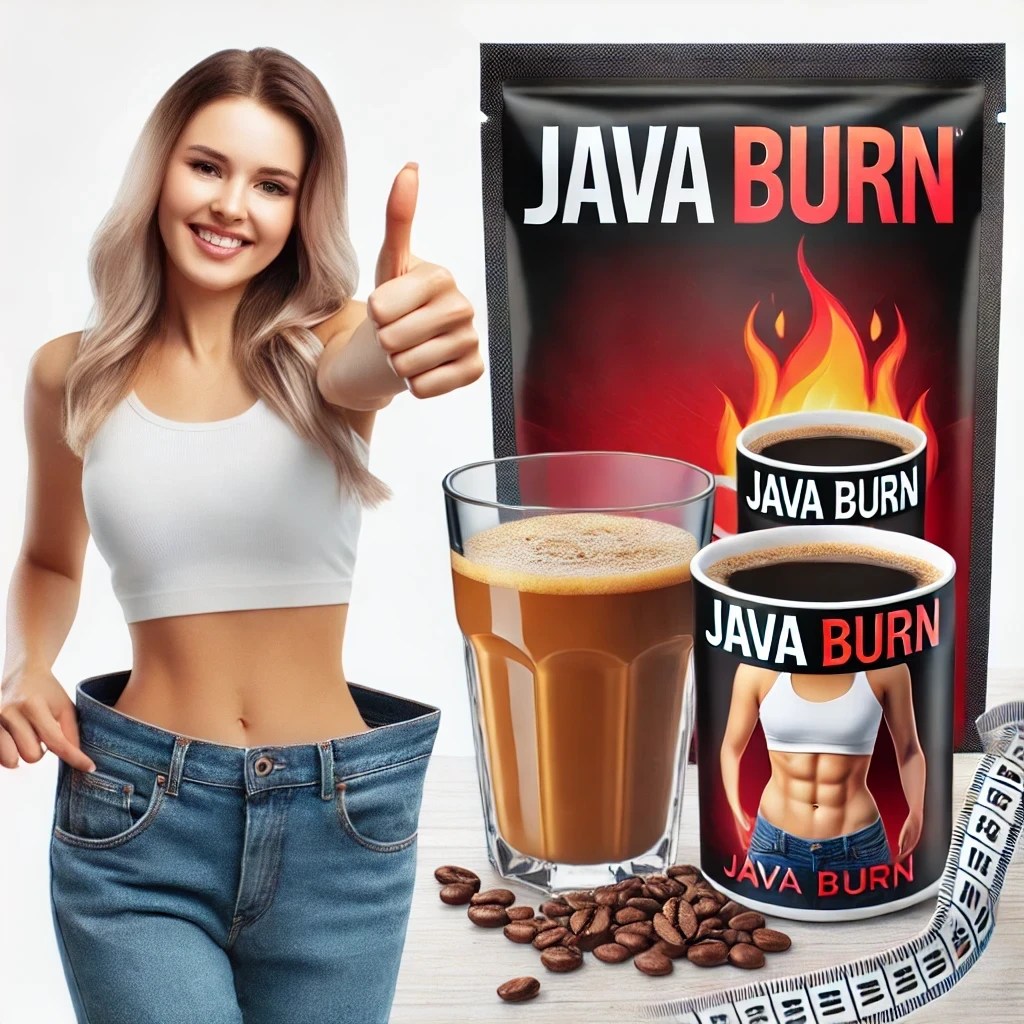
WANT TO BURN STUBBORN BELLY FAT FAST? 🔥Here’s your ultimate tool! Just stir this tasteless powder into your morning coffee and see the magic unfold! 💪

Documented Methods Behind the Transformation
Through statements made on his programs and in interviews between 2019-2023, Jones has attributed his weight changes to several approaches:
Dietary Modifications
Jones has frequently mentioned adopting a modified ketogenic eating pattern, significantly reducing carbohydrate intake while increasing protein consumption. In a July 2021 broadcast, he claimed: “I’ve cut out almost all bread, pasta, and sugar. I eat mostly meat, eggs, and vegetables now.”
Registered dietitian Lauren Harris, who specializes in weight management but has never treated Jones, notes: “Low-carbohydrate approaches can indeed lead to significant initial weight loss, partly through water reduction and partly through caloric deficit. The sustainability of such approaches varies greatly between individuals.”
Court documents from Jones’ defamation cases inadvertently provided additional glimpses into his health routines. During testimony in August 2022, Jones mentioned “intermittent fasting” as part of his regimen, stating he typically restricts his eating to an eight-hour window daily.

Physical Activity Claims
Jones has sporadically referenced physical activity as a component of his weight loss. During a podcast appearance in March 2021, he described a routine involving “morning resistance training three times weekly and daily walking.” However, unlike some public figures who document their fitness journeys extensively on social media, Jones has provided minimal visual evidence of these exercise habits.
Exercise physiologist Dr. James Davidson comments: “For significant weight loss, consistency in physical activity matters more than intensity. If his claims about regular resistance training and walking are accurate, these would certainly contribute to creating the caloric deficit necessary for weight reduction.”
The Supplement Connection
Perhaps most controversially, Jones regularly attributes his weight management to various supplement formulations sold through his InfoWars store. These include products marketed with names like “Super Male Vitality” and “Metabolic Support Formula.”
An independent laboratory analysis commissioned by Consumer Reports in 2023 examined five InfoWars supplements and found that several contained common ingredients including caffeine, green tea extract, and chromium – substances found in many commercial weight management products with varying levels of scientific support.
Dr. Pieter Cohen, associate professor at Harvard Medical School who researches supplement safety, cautions: “Many ingredients in weight loss supplements have limited clinical evidence supporting their efficacy. The research that does exist typically shows modest effects at best, certainly not the dramatic results often claimed in marketing materials.”
The Documented Timeline of Visual Changes
Public appearances and broadcast archives provide a visual record of Jones’ physical changes:
- 2015-2017: Jones appeared at his heaviest during this period, with noticeably fuller facial features and increased body mass visible during broadcasts and public appearances.
- Late 2019: Subtle changes became apparent, with slight reductions in facial fullness.
- Mid-2020: More significant changes became noticeable, with Jones appearing substantially leaner on camera.
- 2021-2022: Court appearances during defamation trials showed Jones at a visibly reduced weight compared to previous years.
- 2023-Present: Recent appearances show Jones has maintained much of his weight loss, though with some fluctuations.
Media analyst Samantha Peters observes: “Public figures often experience heightened body scrutiny. With Jones specifically, his physical appearance became a secondary narrative alongside his legal troubles, creating complex dynamics around his health discussions.”
Stress, Legal Battles, and Physiological Impacts
Jones’ weight fluctuations have coincided with perhaps the most turbulent period of his public life. Between 2018 and 2022, he faced multiple defamation lawsuits related to false statements about the Sandy Hook Elementary School shooting, ultimately resulting in nearly $1.5 billion in damages awarded against him.
Endocrinologist Dr. Maya Srinivasan explains the potential connections: “Chronic stress triggers cortisol release, which can significantly impact both appetite regulation and fat storage patterns. Some individuals experience weight gain under stress, while others may lose weight – particularly when stress affects sleep and eating routines.”
Court records from bankruptcy proceedings following these judgments revealed Jones experienced substantial business disruptions during this period, including platform bans from major social media companies and payment processor restrictions. These professional upheavals coincided with his most noticeable weight changes, though the exact causal relationship remains speculative.

Expert Assessment of Sustainable Weight Management
While Jones’ specific methods may combine evidence-based approaches with questionable supplement usage, his case provides an opportunity to examine science-based weight management principles.
Dr. Walter Willett, Professor of Epidemiology and Nutrition at Harvard T.H. Chan School of Public Health, explains the fundamentals: “Sustainable weight management typically involves creating modest caloric deficits through dietary changes and increased physical activity, while addressing behavioral and environmental factors that influence eating patterns.”
Research from a 2022 meta-analysis published in JAMA Internal Medicine examining 121 weight management studies identified several key factors associated with long-term success:
- Gradual approach: Weight loss of 1-2 pounds weekly proves more sustainable than rapid changes.
- Dietary consistency: Adherence to a consistent eating pattern matters more than the specific diet followed.
- Behavioral support: Those receiving ongoing counseling maintained weight loss more effectively.
- Sleep quality: Poor sleep correlated strongly with weight regain after initial loss.
- Stress management: Effective stress reduction techniques supported weight maintenance.
Dr. Michelle Richards, specialist in behavioral weight management, adds: “The publicity surrounding celebrity weight loss often emphasizes dramatic before-and-after imagery while understating the incremental nature of sustainable change. This creates unrealistic expectations for the general public.”
Media Literacy and Critical Evaluation of Health Claims
The case of Alex Jones weight loss provides valuable lessons in media literacy when consuming health information from public figures, particularly those with commercial interests in the health space.
Media ethics researcher Dr. Jonathan Torres explains: “Consumers should apply several critical questions when evaluating celebrity health claims: Is there a financial incentive behind the narrative? Are the methods being promoted supported by mainstream medical consensus? Are dramatic results being promised with minimal effort?”
The FTC has established guidelines for identifying potentially misleading weight loss claims, warning consumers to be skeptical of statements that promise:
- Weight loss without diet or exercise
- Permanent weight loss without lifestyle changes
- Substantial weight loss regardless of what you eat
- Significant weight loss through wearing or applying products
Jones’ own claims sometimes venture into these questionable territories, particularly when promoting supplements with statements implying they produce significant effects without substantial lifestyle changes.

Psychological Dimensions of Public Figure Weight Narratives
The psychological components of Jones’ weight journey deserve particular examination, considering the intense public scrutiny and legal pressure he has experienced.
Clinical psychologist Dr. Elizabeth Morrison explains: “Public figures experience unique body image pressures, knowing their appearance will be constantly evaluated. This can create complex relationships with weight management, sometimes driving behaviors that prioritize appearance over health.”
Research published in the Journal of Health Psychology in 2023 examined media coverage of celebrity weight changes, finding that 78% of articles emphasized aesthetic changes over health improvements. This appearance-focused framing reinforces problematic cultural narratives around body size and worth.
Specifically regarding Jones, his weight discussions often intertwine with masculinity narratives prominent in his brand messaging. Marketing materials for his supplements frequently reference concepts like “vitality,” “strength,” and “male performance” – framing weight management within gendered contexts that psychologists identify as potentially problematic.
Practical Applications: Evidence-Based Approaches
Setting aside the controversial aspects of Jones’ methods, his case highlights several evidence-based principles that apply to sustainable weight management:
Nutritional Fundamentals
Registered dietitian Dr. Karen Mitchell explains: “Creating a modest caloric deficit through reduced portion sizes and increased nutrient density forms the foundation of sustainable weight management. Research consistently shows that dramatic dietary restrictions typically lead to rebound weight gain.”
The Mediterranean dietary pattern, consistently rated highly by nutrition researchers, emphasizes:
- Abundant plant foods (fruits, vegetables, whole grains, legumes)
- Moderate protein from diverse sources
- Limited processed foods and added sugars
- Healthy fat sources like olive oil and nuts
This approach contrasts with some of the more restrictive elements Jones has described in his own regimen.
Physical Activity Integration
Exercise scientist Dr. Robert Chen explains the multifaceted benefits of regular movement: “Beyond calorie expenditure, regular physical activity improves insulin sensitivity, reduces inflammation, enhances mood, and helps preserve lean muscle during weight loss – all critical factors for long-term success.”
The American College of Sports Medicine recommends:
- 150-300 minutes weekly of moderate aerobic activity
- Resistance training 2-3 times weekly targeting major muscle groups
- Regular movement throughout the day to reduce sedentary time
These evidence-based recommendations provide a framework for evaluating the exercise claims made by Jones and other public figures discussing weight management.

Psychological Support Systems
Behavioral psychologist Dr. Sarah Williams emphasizes the importance of addressing underlying thought patterns: “Sustainable weight management requires examining emotional eating triggers, developing healthy coping mechanisms for stress, and creating environmental conditions that support desired behaviors.”
Clinical research supports several approaches:
- Cognitive-behavioral techniques for identifying unhelpful thought patterns
- Mindfulness practices to reduce stress-related eating
- Social support systems that reinforce healthy behaviors
- Environmental modifications that make nutritious choices more accessible
These psychological dimensions often receive less attention in celebrity weight loss narratives, including Jones’, despite their critical importance for long-term success.
Conclusion: Beyond the Spectacle of Transformation
The Alex Jones weight loss journey illustrates the complex intersection of personal health, public persona, commercial interests, and media narratives. While his controversial statements and legal troubles rightfully dominate coverage of his public career, his physical transformation offers valuable lessons about approaching health information critically.
For consumers navigating the overwhelming landscape of health claims, Jones’ case underscores the importance of:
- Separating personal testimonials from scientific evidence
- Recognizing potential conflicts of interest in health messaging
- Approaching dramatic transformation claims with appropriate skepticism
- Focusing on sustainable, evidence-based approaches rather than quick fixes
Dr. Jennifer Hirsch, public health researcher, concludes: “Celebrity weight narratives can spark valuable conversations about health if approached critically. The real story isn’t about dramatic before-and-after images, but rather about the complex, individualized nature of sustainable well-being.”
By examining Jones’ weight management claims through this critical lens, we gain insights applicable far beyond this particular controversial figure – developing media literacy skills essential for navigating health information in an increasingly complex information environment.
This article was researched using publicly available information including broadcast archives, court records, and expert commentary. It separates documented facts from unverified claims while providing context through evidence-based health principles.
REVOLUTIONARY WEIGHT LOSS BREAKTHROUGH!🔥 Unlock your body’s natural fat-burning potential with a secret celebrities have been hiding! 💪







 Personalized Weight Loss for Unique Health Needs
Leave a comment